
4.9
From 1
to 5
Reviews
7083
Recommend
10 / 10
TrustScore
9.9 / 10
Karen G
Verified Email
101 Orthodox Saints
This is an absolutely wonderful resource and something that should be in every Orthodox household, whether you have children or not! It is organized beautifully, offers information in an accessible way that appeals to children but also to adults. I am here ordering again to have one in my own home because I keep giving them away. Kudos to all involved in the production of this book! Please, may we have a Volume II?
Jason A
Verified Email
The Prayer of a Broken Heart: An Orthodox Christian Reflection on African American Spirituality
Father Paul is a priest in the Antiochian Orthodox Church, which has its roots in Syria and Lebanon. He is African American on his father's side and Syrian on his mother's. He pastors a parish in the Hill District of Pittsburgh - a pretty rough and tumble neighborhood that is predominately African American. You may have seen him on the news because he's doing some really impressive work that has shown up in national media.
The book clocks in a little under 200 pages, but he packs a great deal into that space. The roots of the book were from his master's thesis when in seminary, but it doesn't read like a dry academic work. It does a very good job of surveying the historical development of African American Christianity, and its congruence with the ancient Christian tradition that is still upheld by the Orthodox Church.
He builds a compelling narrative of the development of the African American Christian tradition as it developed in the crucible of three hundred years of slavery. He argues, compellingly, that the conversion experience wasn't one of a religion being forced on the enslaved, but the opposite- that slave owners often fought the conversion of their "property". Rulers of states might have justified their imperial ambitions by stating it was to bring religion to pagan peoples, but for the slave owner, to recognize the baptism of the enslaved was to recognize their humanity, and that wasn't something that factored into the ledger sheets of running a profitable plantation.
He pulls out several strands from the African American tradition and compares them to the traditions of the Orthodox Church. It doesn't come across as ham-fisted, with forced comparisons that don't really exist. When there is a divide, he owns up to it.
This book is part history, part sociology, and part theology - with some personal narrative thrown in as well. He also doesn't shy away from the topic of contemporary racism, including some very blunt examples taken from his own life. This book might make you uncomfortable. Good.
This is a beautiful book, written from the heart. It would make good reading for a church book club.
Jolie B
Verified Email
Bearing God: The Life and Works of St. Ignatius of Antioch the God-Bearer
Bearing God by Fr. Andrew Stephen Damick is an inside look on St. Ignatius of Antioch’s life and works. The book shares a synthesis of the main themes that appear throughout St. Ignatius’s letters. The book is beautifully narrated by Fr. Andrew, which makes it easy to listen to and understand.
I appreciated that in the introduction of the book, Fr. Andrew shares how he is personally connected to St. Ignatius and how learning about St. Ignatius was part of what brought him to the Orthodox faith. Hearing this personal account made me more excited to listen to the book because it reminded me that this is not just another historical work or a reminder of how the early church operated, but that these works from the early church must translate into our lives in the way we act as Christians.
A few of the ideas that stood out to me the most in this book are how St. Ignatius viewed martyrdom, the role of the bishop, and the importance of the unity of the church. Hearing about how St. Ignatius was truly desiring martyrdom, even deflecting people who were trying to spare him from this end, was a wake-up call in seeing if I truly desire to suffer with Christ as St. Ignatius did. I also appreciated learning about the importance of the bishop and how in the early church, the bishop was also the local priest. Learning about how St. Ignatius truly sees each person as bearing God was beautiful. Finally, the importance of the unity of the church stood out to me because of Christ’s prayer in John 17.
I wish I read St. Ignatius’s letters before reading this book because I think I would have gotten a lot more out of the book had I read the letters first. I recommend this book to those who want to learn more from one of the earliest church fathers from someone who has a personal connection to the saint!
Rev M
Verified Email
God Is a Man of War: The Problem of Violence in the Old Testament
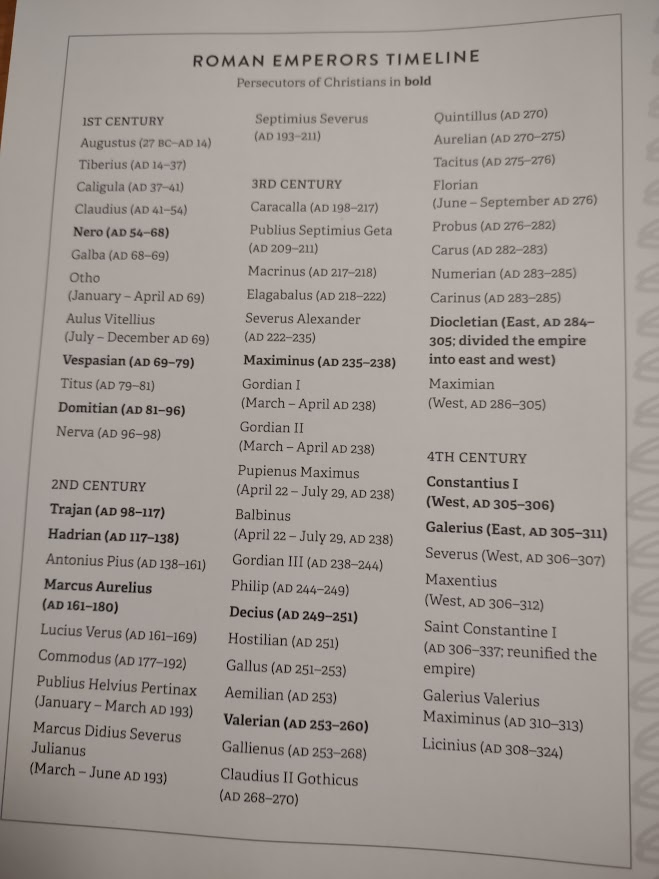
This book tries to clarify the contradictory picture we get of the nature of God as presented in the Old Testament scriptures as opposed to the New. And while it succeeds in showing how the Israelites, in some circumstances, lessened the evil effects of warfare, it fails to answer the basic question of why we get a different picture of God in the New Testament scriptures vs. the Old. Rather it relies on the idea of 'Holy War' or just war as an explanation. In doing so, it makes the horrors of warfare an abstraction. Anyone who has been on the front lines of war knows what war really is. There is no way that it could be equated with hoiliness. The book spends little time looking at the Old Testament through the lens of the New Testament as the church fathers advise us to do. This is crucial since as Christians we believe that Jesus reveals the truest nature of God. He claims so himself when he states that he has come to fulfill the law and the prophets, that is to reveal their deepest meaning. The only way to truly understand the Old Testament scriptures is to view them in light of the Gospels. If God is 'a man of war' as the author claims, we should see this in the person of Jesus, since as Jesus states, He and the Father are one. If we see Jesus we see the Father. Nowhere in the Gospels do we see Jesus using homicidal violence or directing his followers to do so. Jesus' solution to the problem of evil is to overcome it with good. Jesus makes the astonishing claim that Christ-like love can destroy evil and death. Who can believe it? We wouldn't expect it of the people of Old testament times as they did not yet have the fullness of God's self-revelation in the person of Jesus Christ. However, we would expect it of those who profess to be followers of Christ. And indeed, by and large we do see this for the first several centuries following the Resurrection. It was clear to Christians of that time that following Christ meant taking seriously Jesus' commandment to 'love your enemies'. They didn't try to get around that commandent with just war or holy war theories. They knew that killing ones enemies was not the same as loving them. The author states that it was St Constantine who revived the early Old Testament idea of holy war. Yet it was also at the time of the Emperor Constantine that Christians began participating in the wars of the Roman government and later with the governments with which they were affiliated. It was also in this time period that Christian just war theories began to be developed. But upon close examination, no war in history has been able to meet all the criteria of just war, yet every side in conflicts have considered their cause just. In any case, the Orthodox Church has never accepted Christian just war theory. It considers all wars, even wars of self-defense to be the fruit of evil. That is why leaders like St John Chrysostom and St Basil required years of repentance for soldiers who killed in warfare. Christian just war theory only amounts to a hall of smoke and mirrors which gives both sides in a conflict the ability to claim that God is on their side. The failure of church leaders to teach what was self-evident to the early Christians has led directly to all the wars over the course of history where Christians have fought Christians. This book only reinforces the view that Christian participation in warfare can be consdered holy or blessed by God. It reinforces the view that God is violent by nature, when Jesus shows by word and deed that this is not so. It is in danger of leading the faithful astray. For these reasons I cannot recommend this book.
Andrea
Verified Email
Beautiful Pascha: An Orthodox Coloring Book for Children
What a stunning book!
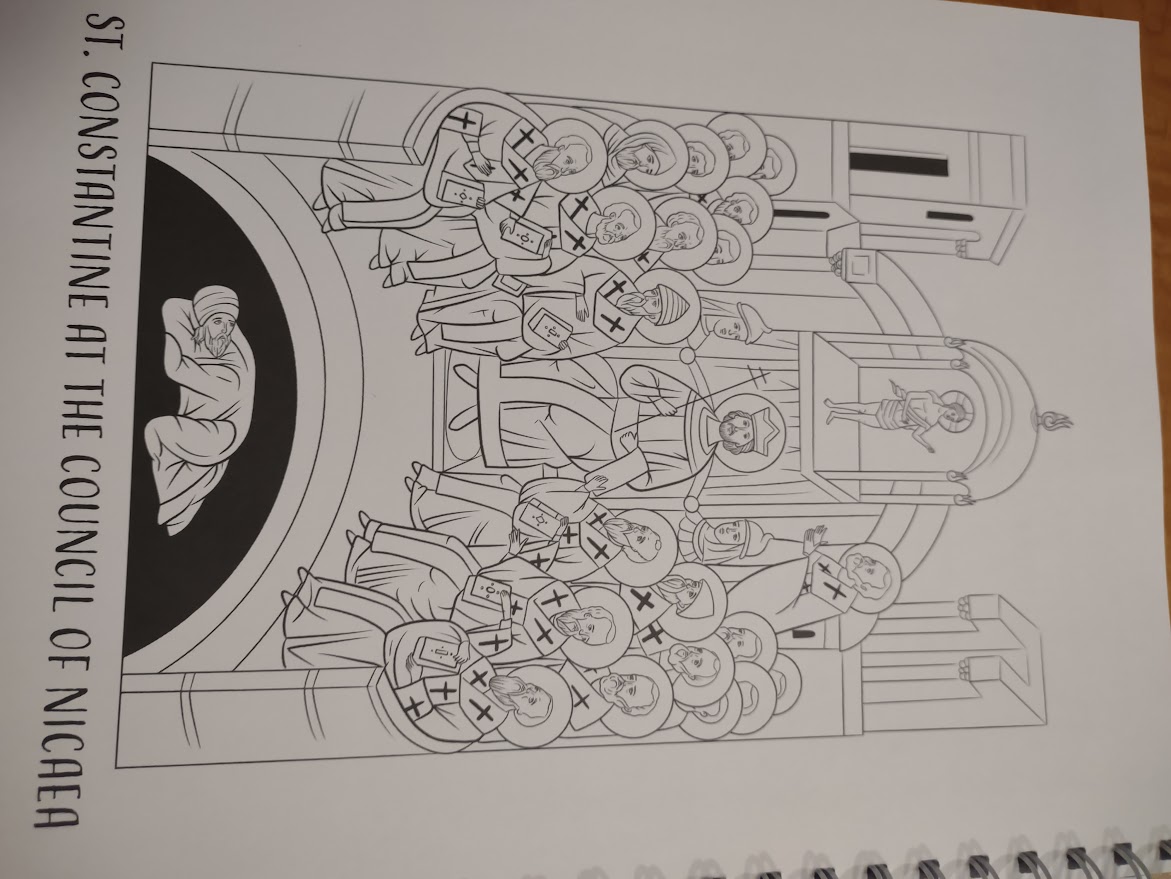
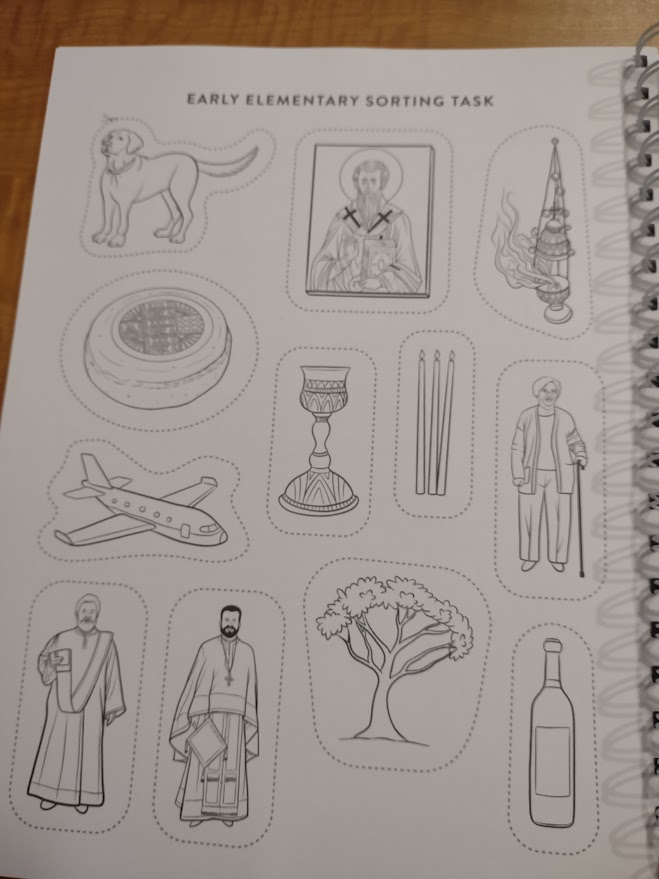
Both my 5-year-old and 12-year-old have enjoyed coloring the icons. I like that it's more than a coloring book, and it's more than "just" Pascha. It takes you on a journey from the prelenten lessons to the holy feast, itself. It's also nice that the pages are high quality and are perforated, since my youngest is so proud of his work. We can take out his favorite pages to color or to display.
Both my 5-year-old and 12-year-old have enjoyed coloring the icons. I like that it's more than a coloring book, and it's more than "just" Pascha. It takes you on a journey from the prelenten lessons to the holy feast, itself. It's also nice that the pages are high quality and are perforated, since my youngest is so proud of his work. We can take out his favorite pages to color or to display.
Kathryn R
Verified Email
The Prayer of a Broken Heart: An Orthodox Christian Reflection on African American Spirituality
As a University History professor and Orthodox Christian, this timely and spanning look into the past, present, and future of African American spirituality, written by Father Paul Abernathy, directs the reader to the hope of racial reconciliation in the United States and its connection to the Orthodox faith. The scars of racism run deep in our nation. Father Paul traces the psychological and spiritual brokenness (and strength) brought on by the Atlantic slave trade that brings us to the recent tragedies of racial hatred in local communities and seen most recently on national news.
Father Paul offers a balm of racial reconciliation to be found in the destruction of pride and the cultivation of humility in the eucharistic healing of the Orthodox Church. Unity of all peoples, as Father Paul points to in the second half of the book, stems from the pride of man in the cultural separation after the Tower of Babel to the salvific reunification in the fiery tongues of Pentecost. Father Paul’s firsthand experience of ministering to African American communities crying out for God and the examples he gives of his own encounters with racism should both inform and inspire Orthodox Christians of all races to pause in prayer for unity and a growth in the understanding of all as loved by God.
Father Paul concludes that the healing of Christ’s Church and his love for all peoples should motivate Orthodox Christians on the path of racial reconciliation through the partaking of Christ’s Holy Body and Blood. The connection between the spirituality of enslaved African Americans, their descendants, and the Orthodox Church have many commonalities. May the work of Father Paul enlighten all of us who are willing to listen to the prayer of a broken heart.
Marsha K
Verified Email
Pilgrimage to Pascha: A Daily Devotional for Great Lent
Pilgrimage to Pascha-A Daily Devotional for Great Lent By Archpriest Steven John Belonick with Michele Constable and Michael Soroka. Narrated by Kristina Wenger.
This audiobook is a must for Great Lent. Everyday of Lent a reference is listed for scripture, a meditation on the passage, advice from the Church Fathers, excerpts from a liturgical hymn, the life of a Saint, and a concluding prayer. Enough information to absorb easily and to reflect. And you will realize throughout the day that you are recalling and thinking about what you heard.
This audio book is narrated by Kristina Wenger, I was familiar with her as she also narrated another audio book that I enjoyed. She is an Orthodox Christian so she does not just read this book, she lives it daily and it is reflected in her voice. Each day is 2-3 pages and easily listened to in a car going to work or running daily errands.
I highly recommend this audiobook, not only for the content but also for the narrator. I enjoyed this audiobook so much that I bought the book. In my opinion, Pilgrimage to Pascha is an excellent daily devotional during Great Lent or anytime during the year.
I received this audiobook for an honest review.
Sarah
Verified Email
The Prayer of a Broken Heart: An Orthodox Christian Reflection on African American Spirituality
“It was not the religion of man that they sought, but rather a mystical encounter with the one true God whom they knew to be a God of love, justice, mercy, and peace. Thus begins the true and mystical conversion of a suffering people.”
I was intrigued when I heard about the Prayer of a Broken Heart, by Rev. Paul Abernathy. I will admit that I have, unfortunately, lived thus far not knowing details about African American Spirituality, historically or in modern days. Thankfully, I can say that has now changed, due to this outstanding book.
Presenting a history of African American spirituality, from pre-enslavement African tribal religions to the current day Black Church in America, Prayer of a Broken Heart is richly woven, supported by a plethora of sources and a pages-long bibliography, but also an engaging voice through which the information is made accessible to the reader. The writing is captivating and informative, blunt and factual, periodically disheartening in topic while simultaneously filled with hope.
This book is necessary to read. Period. There are various current day racial issues that this book touches on including events such as the anti-racism protests of 2020, and the effects of Covid-19 and pandemic on the Black community. There is insight into the generational traumas that Black communities face. In order to better understand these current day events, we are gifted with chapters of history showing how and why African American spirituality developed. I would argue that this knowledge is necessary and helpful to gaining a clearer picture of the current racial issues of our time.
This isn’t a book about how to convert African Americans to Eastern Orthodoxy. This is a book that touches on various similarities between the histories, development, practices, and beliefs of African American Spirituality and the Eastern Orthodox Church. The connection between the two faith practices is presented in a thorough yet undertoned manner in such a way as to maintain focus on the African American spiritual journey while also showing why and how the Orthodox Church can relate to, connect with, and support African Americans in general.
Fr Paul is a voice we would benefit from listening to, and his book is one that we can all learn from whether we are Orthodox, of a different faith tradition, or of no particular faith tradition at all. I have been left with thoughts to ponder, mindsets to examine, and a more understanding and empathetic heart.
Pauline
Verified Email
The Prayer of a Broken Heart: An Orthodox Christian Reflection on African American Spirituality
Fr. Paul Abernathy’s The Prayer of a Broken Heart is a beautiful invitation into the stories of both ancestors and current fellow-travelers on the road of lived faith experience. By considering the spiritual experiences of enslaved Africans and the contemporary experiences of fellow sisters and brothers today within the familiar (for me) perspective of Orthodox Christianity, he has opened up the stories of these mothers, fathers, sisters, and brothers in faith to readers like me. My own read of this book comes at the threshold of Great Lent, a time when we are invited to deepen our own lived experience of the resonance among themes of suffering, repentance, redemption, and the paradoxical intertwining of sorrow and joy.
The Prayer of a Broken Heart brings forward these themes, along with a history of lived experience within early African American spirituality including powerful prayer, mystical encounters with Christ, and radical trust in God’s will amid great suffering and persecution – themes that resonate equally deeply within the lived experience of Orthodox Christians throughout history. These themes are contrasted with the reality of the cruel treatment often committed and excused by White slaveholders in the name of Christianity. Fr. Paul quotes Frederick Douglass in articulating the chasm between the “Christianity of this land” and the “Christianity of Christ” experienced by enslaved Africans in America and then highlights the encounters with Christ Himself experienced by so many enslaved Africans. This is not just about history, however; this is an invitation to the reader today to intentionally take up these same spiritual tools (particularly as they have always been found within Orthodox Christianity) and journey together in faithfulness.
Fr. Paul candidly discusses racism as a spiritual problem, grounding his discussion in the words of Scripture and the early writings of Christianity, including St. Athanasius’s On the Incarnation and St. John Climacus’s The Ladder of Divine Ascent. In so doing, he points out a way forward to fruitfully engage in the work of repentance that might facilitate healing of the deep and festering spiritual wounds of racism in America.
I appreciate this book’s contributions to my own faith journey and look forward to annually reading this during the Lenten period. As a homeschooling parent, I also look forward to exploring it with my high school students during our consideration of American history to help give a richer picture of enslaved African Americans as whole persons with much to teach us. I appreciate having resources that highlight the rich and valuable contributions these ancestors in faith have made to our shared spiritual journey.
Jason S
Verified Email
Bearing God: The Life and Works of St. Ignatius of Antioch the God-Bearer
St. Ignatius of Antioch has always held a special place in my heart as his writings were part of the reason I became Orthodox. His epistles show the continuity of the Faith from the apostles who taught him down to the parishes of today. Fr. Andrew Damick’s book “Bearing God” serves both as a beautiful introduction to St. Ignatius of Antioch and an illumination of this saints words for our modern age. In his book he focuses on five main themes from St. Ignatius’ epistles - martyrdom, salvation in Christ, the Bishop, the unity of the Church, and the Eucharist.
Weaving together the words of St. Ignatius, the Gospel, and his own research Fr. Damick shows how the from the earliest Christians the Church was episcopal, sacramental, and rooted in the witness of martyrs. He also uses these writings not only to explain what the early church did but how modern Orthodox should be. For instance, he writes that St. Ignatius was worried that some of the churches along his route to Rome might try and stop the Roman’s from killing him which would deprive him of his chance to unite with Christ’s suffering and that Christians today should be that committed to Christ. He also uses St. Ignatius’ refutations of the Docetists (those who said Christ didn’t have a physical body) to explain why having an Orthodox understanding of salvation matters and why we need to avoid modern day heresies.
I would highly recommend this book to anyone who is interested in learning more about St. Ignatius and his teachings. Fr. Damick does an excellent job at helping us understand this Saint in his historical context and showing why he still matters.
Anna R
Verified Email
Bearing God: The Life and Works of St. Ignatius of Antioch the God-Bearer
I read/listened to Bearing God: The Life and Works of St. Ignatius of Antioch twice before writing this review because I needed time to consider all that I had experienced during the first and even second reading. During the first reading, somewhere along the second chapter, I remember calling a friend and telling her I needed to take a break because I felt my entire thoughts about the Orthodox faith being shaken. Not in the way that I didn’t believe the same “facts” --- but the realization that I was not living the Orthodox faith in the way that it was meant to be lived.
Fr. Andrew begins the book with a brief overview of the life of St. Ignatius of Antioch. In this explanation of the life of St. Ignatius, we get to know and understand he was a disciple of John the Apostle and one of the Apostolic Fathers of the Orthodox Church and was ultimately martyred for his faith in the Coliseum at Rome. The subsequent chapters discuss the letters that he wrote to various churches and his contemporary and fellow Bishop, St. Polycarp, while he was on the journey to martyrdom.
The chapters discussing the St. Ignatius’ teachings from his epistles are grouped by subject matter: martyrdom, salvation in Christ, the role of the bishop, the unity of the Church and the Eucharist. These chapters could come off as didactic; however, Fr. Andrew’s approach makes them relatable and practical in living the Orthodox Faith. This book does not add or subtract from the core teachings of the Orthodox Faith in creed or statement of Faith, but it does turn the way we live and practice our faith on its head. We cannot celebrate the Eucharist without the clergy (Bishop) and they cannot celebrate it without us, the lay people of the church. The Orthodox church is truly communal with the Eucharist as its central force. In the Eucharist we partake of the body and blood of Christ and in this partaking, He dwells within us --- and we in Him. We truly do “bear God” and do merely “represent” but as members of the Orthodox Church ARE the Body of Christ in the world.
The Church hierarchy, the Eucharist, and the church being the Body of Christ are not new concepts, but Fr. Andrew uses the teachings of St. Ignatius to spotlight that we simply cannot view the Orthodox faith in an individualized way or simply as a matter of inward belief. Our participation in the Liturgy and the Eucharist makes us one with Christ and each other. And if we are One with Him and each other, then we must live our faith outwardly and differently.
This book is a must read for anyone who really wants to understand how we should live as Orthodox Christians.
Kereya A
Verified Email
The Crucifixion of the King of Glory: The Amazing History and Sublime Mystery of the Passion
I recently listened to the audible version of this during my commute to and from work. My only regret was that my work was not farther away so I could listen for a longer time.
This book was captivating. The historical context behind the crucifixion was riveting, and made the mystery of the Crucifixion so much more awe-inspiring, so much more devastating, and yet so much more glorious in its victory in the Resurrection. It's clear that so many details (the "who's who") is taken for granted when we read this passages every year during Holy Week, so I really appreciated all of the research that was put in to describe who Caiaphas was, who the Sanhedrin were, etc. I also really appreciated that some phrases were provided in the Greek to further clarify the discourses that occurred during the time of Christ's Passion. If I had to point out one thing that I wish was further expanded, it would be the discussion on the Right-Hand Thief.
For those "speed listeners," I listened to the Audible audiobook at 1.6x speed and was able to keep up.
For sure, I will be purchasing a physical copy of this book so I can annotate it for Holy Week next year. Look forward to more works by this wonderful author.
Kadi
Verified Email
Beautiful Pascha: An Orthodox Coloring Book for Children
Lovely coloring book! High quality, nice paper, beautiful pages for little kids, big kids, and adults. I enjoyed it as much as my kids. Even my pre reader child looked at the picture of Christ riding the donkey into town and said, “is this Palm Sunday?” The story is beautifully laid out. The coloring book is not advertised as a water color coloring book but the pages are actually thick enough for us to use our water color pens! Really beautiful coloring book.
Maria W
Verified Email
The Prayer of a Broken Heart: An Orthodox Christian Reflection on African American Spirituality
I'm afraid you won't read this book.
I am sitting here trying to figure out how to get more people to read it.
Abernathy started the Neighborhood Resilience Project in the Hill District of Pittsburgh and opened the book with a story of simple faith, of a woman who lost a child suddenly due to a health condition. This woman came ready to grieve, which many good-hearted people want to fix with coping skills. “This woman had no desire to cope with her pain. She needed to transcend it.” Prayers and songs offered from a humble faith have been the constant for Black Americans who have been “essentially separated… from their own histories.” Abernathy wrote that these allowed for spiritual remembrance connecting them to God’s story.
I think the book should be a joyful “eye-popper” about the concurrence between African American faith and Orthodoxy. There are “entry points” into Orthodoxy that will resonate for African Americans, like those he and parishes around the country minister to. Abernathy writes of those seeking spiritual discipline (some of whom turn to Islam) and those who want to connect to tradition and cling to simple faith. His ability to preach straight, to speak hard truth anchored to the Gospel, to the Eucharist, and to Christ shines through in the second half of the book. Abernathy speaks to the injustices of the present and shifts into homily mode. It’s a very readable sermon weaving accounts from the people in Pittsburgh with the Church Fathers and calling us all back to the power of the Eucharist and Christ to transcend the sorrows of this life. His feint is the call for those in the Church to be “a unifying ministry both in time and in space.” (Zizioulas Being As Communion qtd by Abernathy).
DANIEL
Verified Buyer
The Orthodox Church: An Introduction to Eastern Christianity (Ware)
Very well written, and much needed information.
Tia W
Verified Email
Beautiful Pascha: An Orthodox Coloring Book for Children
What a beautiful coloring book! I love how the pictures truly depict the depth of the Orthodox faith. My 6 and 7 year old have loved following along with the Sundays so far, starting with Zacchaeus Sunday. They are so excited to continue throughout Great Lent and the celebration of Holy Pascha! I am in awe of the illustrations and details included on each page. This coloring book is so versatile and truly for the whole family to enjoy!
Robert Rogers
Great book!
The Empty Throne: Reflections on the History and Future of the Orthodox Episcopacy
One of the best books I have read on this subject.
 Originally Posted on Amazon
Pedro L
Verified Buyer
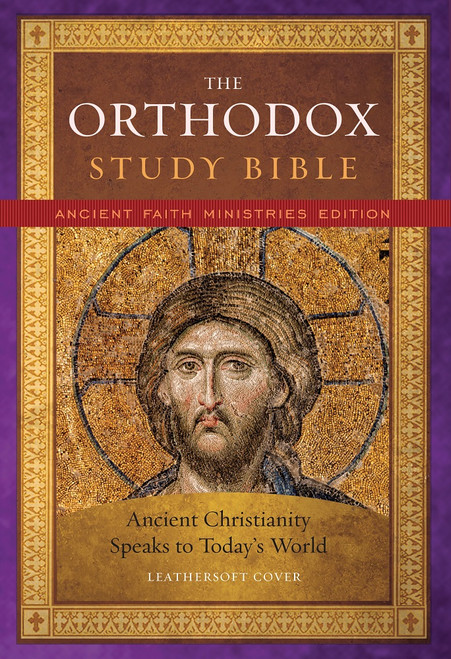
The Orthodox Study Bible, Ancient Faith Edition, Hardcover: Ancient Christianity Speaks to Today’s World
It is a great translation.
C. Streetzel
Helpful
When You Pray: A Practical Guide to an Orthodox Life of Prayer
I would certainly consider recommending this book to others. I will reference this book often. I also got the book When You Fast by the same author. I hope he writes a book on almsgiving as well.
Originally Posted on Amazon
Brittley W
Verified Email
The Age of Utopia: Christendom from the Renaissance to the Russian Revolution
My favorite genre of books is historical literature and Age of Utopia piqued my interest, especially since the story telling weaves along the threads that lead up to the Russian revolution. If you have ever studied Russian history, this book is a great addition! I have to say that Fr. Strickland's style of writing unpacks a lot without feeling lost or overwhelmed. There is a sense of loss as many traditions go through revision or they are tossed aside entirely in secularism. Thought provoking and paints a picture of what goes wrong when we ignore the spiritual in favor of the worldly.
*I received a copy of the book for review, all opinions are my own*
*I received a copy of the book for review, all opinions are my own*
About Ancient Faith Store
At Ancient Faith Store, we are dedicated to providing a rich collection of resources that celebrate and preserve the Orthodox Christian faith. Our mission is to help individuals and families grow in their spiritual journey through a wide array of products, including books, music, icons, and gifts that reflect the beauty and depth of Orthodox Christianity.
We believe that faith is a journey, and we strive to accompany you every step of the way with materials that inspire, educate, and uplift. Whether you're looking for a profound theological work, a children’s book that teaches the values of our faith, or a beautifully crafted icon to adorn your home, you'll find it here.
Our commitment to quality and authenticity means that every item is carefully selected to ensure it aligns with the teachings of the Church. We are passionate about fostering a vibrant Orthodox community, and we invite you to explore our store to find the tools that will enrich your spiritual life and connect you more deeply to the traditions of our faith. Thank you for being a part of our journey.
Visit Website
We believe that faith is a journey, and we strive to accompany you every step of the way with materials that inspire, educate, and uplift. Whether you're looking for a profound theological work, a children’s book that teaches the values of our faith, or a beautifully crafted icon to adorn your home, you'll find it here.
Our commitment to quality and authenticity means that every item is carefully selected to ensure it aligns with the teachings of the Church. We are passionate about fostering a vibrant Orthodox community, and we invite you to explore our store to find the tools that will enrich your spiritual life and connect you more deeply to the traditions of our faith. Thank you for being a part of our journey.
Ancient Faith Store is a Verified Merchant
Questions? Contact Us
support@ancientfaith.com
800-967-7377
Mon-Fri (9am-5pm CST)
Top Rated Products
|
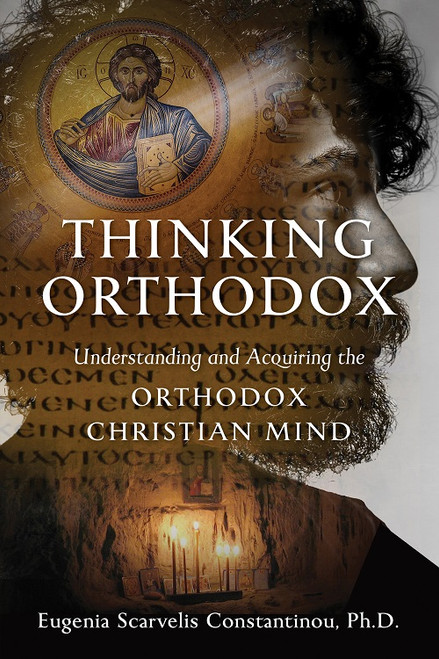
Thinking Orthodox: Unders... |
|
|
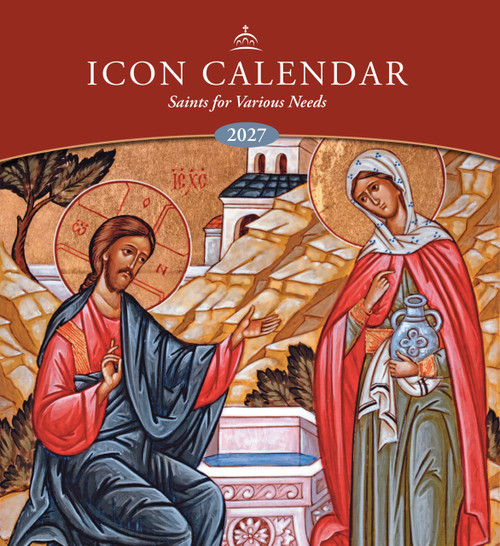
2027 Icon Calendar: Saint... |
|
|
The Orthodox Study Bible,... |
|
Facebook
RaveCapture Commitment
RaveCapture transforms how businesses collect and showcase customer experiences. We take authenticity seriously and only allow 100% verified buyer reviews and UGC.
Guarantee
- RaveCapture Companies Are Held Accountable
- All Reviews Are Verified Customers
- Negative Reviews Can Never Be Deleted
With RaveCapture, you’re not just managing a reputation — you’re sharing the voice of your raving fans.
