
4.9
From 1
to 5
Reviews
7083
Recommend
10 / 10
TrustScore
9.9 / 10
Good B
Verified Buyer
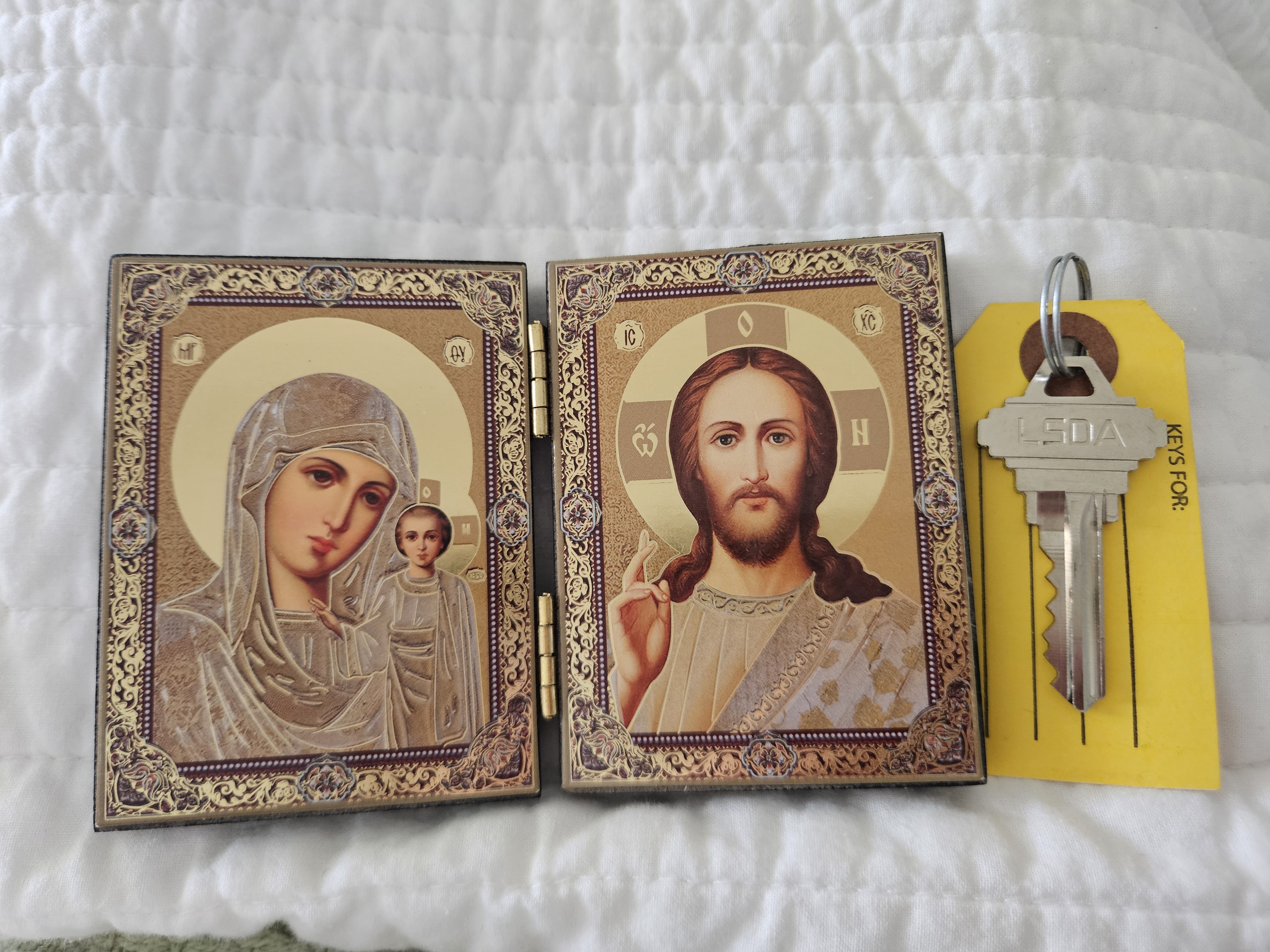
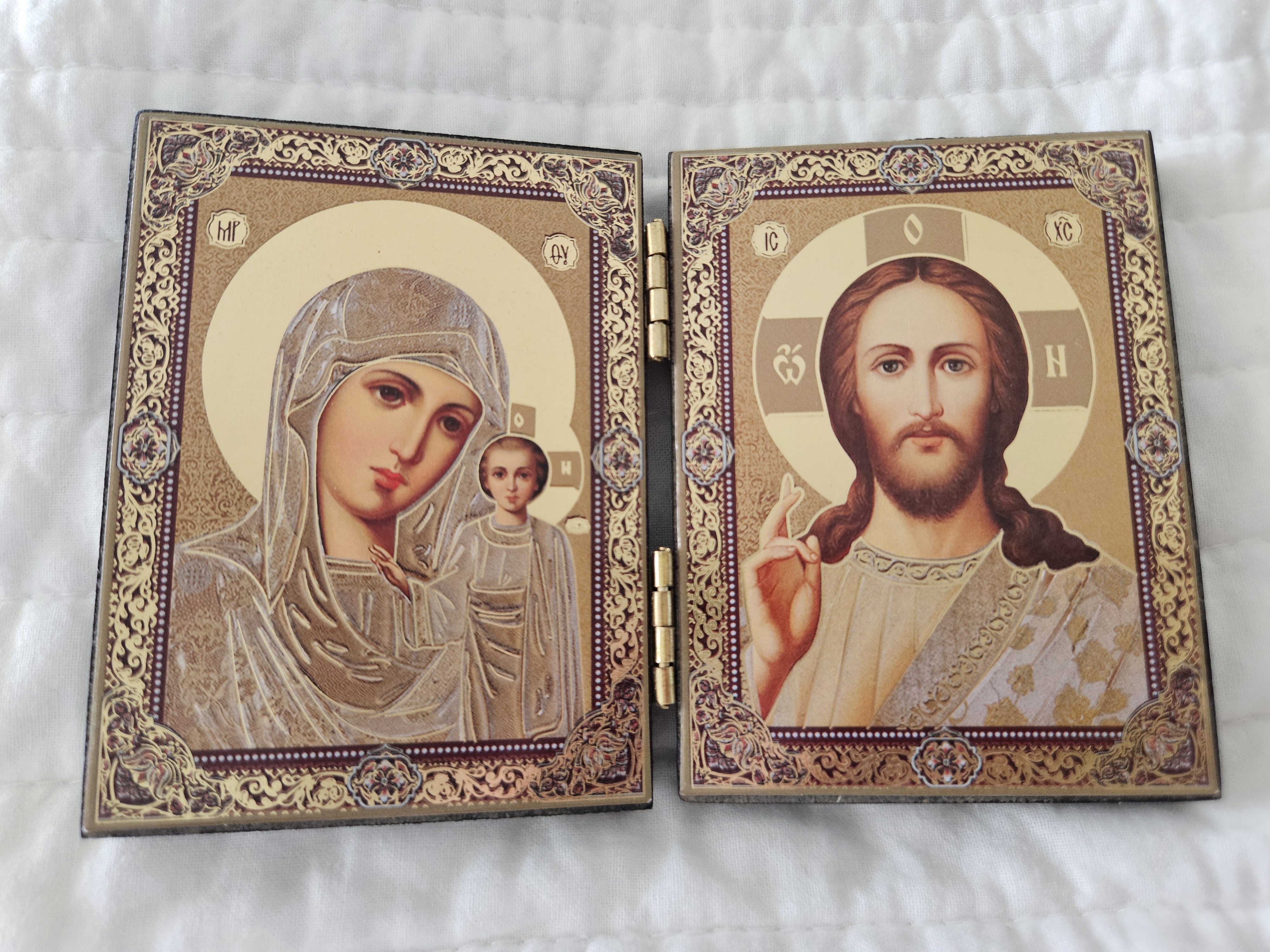
For Mom: The Ascetic Lives of Mothers / Mother of God Milk-Giver, large icon
After a discussion in Chapter I of the Virtues - or good spiritual habits - taught by the Church, Annalisa moves on to a frank look at despair in Chapter III, Tea Time at the Abyss: Prayers in Times of Trouble. She offers Scripture verses and prayers about everything from anger, anxiety, and difficult pregnancy to envy, financial strain, and infertility.
I especially appreciated Chapter VII, Prayers Through the Stages of Motherhood (it included prayers for Grandmothers), and Chapter VIII, Prayers for Godchildren and 'Bonus' Children (with lots of good tips regarding the responsibilities of Godparents.) She includes an honest look at Stepmothers and bonus children, asking: Did you ever think of the fact that the Theotokos was a stepmother?)
I especially appreciated Chapter VII, Prayers Through the Stages of Motherhood (it included prayers for Grandmothers), and Chapter VIII, Prayers for Godchildren and 'Bonus' Children (with lots of good tips regarding the responsibilities of Godparents.) She includes an honest look at Stepmothers and bonus children, asking: Did you ever think of the fact that the Theotokos was a stepmother?)
Mellody
A Great Companion Book to the Ladder
Thirty Steps to Heaven: The Ladder of Divine Ascent for All Walks of Life
I enjoy reading this in unison with "The Ladder of Divine Ascent". It helps non-monastics focus on how to follow the course of the Ladder while still living in common society.
 Originally Posted on Amazon
Fred Hayward
Thirsting For God in a Land of Shallow Wells
I am a giver of books. I tend to stock up and give away the really good ones as needed. This is one of those rare treats, a book that shines the light of the Christian East in ways those of us from the west can get our heads around, or actually, more importantly our hearts in tune with. The first chapter alone is worth the price of the whole book as Fr. Mel (with his doctorate in psycho-therapy or something like that) breaks down the whole problem with our out-of-control-busy minds, and makes the mystical wisdom of countless monks and Abbas accessible for every day folks like me. (Actually, you can read that whole amazing chapter online for free right here on Amazon.)
I will be giving a lot of these away to inquirers that walk in to our parish and whose hearts are hungry to dive into the Mysteries of God. I've read no better introduction.
I will be giving a lot of these away to inquirers that walk in to our parish and whose hearts are hungry to dive into the Mysteries of God. I've read no better introduction.
Originally Posted on Amazon
M. J. Knapp
Very helpful, especially for a protestant
Thirty Steps to Heaven: The Ladder of Divine Ascent for All Walks of Life
As someone trying to explore historical Christianity, this book is a gem with practical and challenging advice to deny self, take up my cross, and follow Jesus.
Originally Posted on Amazon
alexandra aldrin
Walking in Wonder: Nurturing Christian Virtues in Your Children
This is a smaller version of Raising Godly Children also by Elizabeth White, but also offers great ideas for parents to incorporate into their daily lives.
Originally Posted on Amazon
alexandra aldrin
Close to Home: One Orthodox Mother’s Quest for Patience, Peace, and Perseverance
This is a great book for mothers because she goes deeply into the heart of a mother describing feelings that are hidden deep inside. Made me feel good that I am not the only one dealing with this.
Originally Posted on Amazon
alexandra aldrin
Greatest book ever for Orthodox parents
Following a Sacred Path: Raising Godly Children
This book changed the way that I look at raising children with a religious mindset. She focuses a lot on hands on learning and the Montessori way to teach a child which goes great with making children realize things for themselves. Her descriptions of different Feasts and things related to the Orthodox teachings is amazing and really made me think about how I can change my way of thinking in order to help my child learn. This is a great tool with amazing ideas. Get this book!
Originally Posted on Amazon
H. Alex Huskey
Thirsting For God in a Land of Shallow Wells
The author was a pastor in more than one Protestant denomination during his search for the most authentic Christianity. He peacefully chronicles how he found that there was already a worldwide remnant of the earliest Christianity, untainted by man's extraneous traditions. Gallatin's training as a philosopher is clearly an asset as he navigates out of the five hundred year old Protestant lake into the Orthodox Christian ocean over two thousand years venerable. It's not that some are Christian and others aren't, but simply that God does have a way he wants all believers "to do church".
Originally Posted on Amazon
rum
Papavasileiou sets the bar higher yet...
Meditations for Holy Week: Dying and Rising with Christ
After reading the other two books in the series, I must say I wasn't sure what to expect from Meditations for Holy Week. Surely, it's the time of year that every Orthodox person goes to church, so I thought to myself, would I find anything new in this book? I ended up reading the first part gradually, but once I had got to the latter stages of Holy Week, I found I couldn't put the book down!
From the outset, the book is a good summary of each day of Holy Week. Papavasileiou takes the theme of the day and expands on it in great detail, whilst keeping the reader fully engaged with examples from everyday life. Beginning with Holy Monday, he refers to the day's gospel reading (The Cursed Fig-Tree) , but also to the celebrated character of the day, Joseph the son of Jacob from the chapter of Exodus in the Old Testament. Both new people to Orthodoxy and indeed those wishing to find out more about their faith will enjoy Papavasileiou's approach to analysing these daily themes in Holy Week, as many Christian values are to be found inter-weaved along with them.
But Papavasileiou doesn't just stand still and talk about the themes or explain the gospel readings and hymns in easy to follow English. He frequently uses examples from his own experience as a priest that make this book a very personal experience for the reader. Be it from the anticipation that builds before the light comes out of the Royal Doors in the early hours of Easter Sunday (Pascha), or the emotion that he experiences every year when he reads the gospel of the Seven Woes (Matt. 23:13).
If I were to be a little harsh to criticise this book in any way, it would have to be the lack of a chapter to cover the Saturday of Lazarus and Palm Sunday. These two days are neither part of Great Lent nor Holy Week, so it is right that they have not been covered in the series so far, but perhaps these could be incorporated as part of a future relevant book or new edition of this one.
All in all, a fantastic and very informative book that is very easy to follow throughout.
Originally Posted on Amazon
W. A. Lindner
Everywhere Present: Christianity in a One-Storey Universe
This book is an effective antidote to the notion that God is "up there." It makes understandable the presence of God right here, with us. I used it as a textbook with high school students in an Eastern Christian formation class. Highly recommended for that purpose or for your own edification. Father Stephen also has an excellent blog, "Glory to God."
Originally Posted on Amazon
Michael Bingham
Love it
Thirty Steps to Heaven: The Ladder of Divine Ascent for All Walks of Life
Concise and clearly gives the layperson an understanding of St. John's "The Ladder of Ascent." Highly recommend it to anyone.
Originally Posted on Amazon
nulli
Surprised by Christ: My Journey from Judaism to Orthodox Christianity
Of all the books on Holy Orthodoxy I have read this is my favourite. It's a fascinating biography, clearly and beautiful expressed introduction to Orthodoxy (in particular the meaning of the incarnation) and an engaging history lesson in regards to the early Jewish Christians. Don't hesitate, click the "Add to Cart" button now and buy it.
Originally Posted on Amazon
Kristian A.
An excellent book for all walks of life
Thirty Steps to Heaven: The Ladder of Divine Ascent for All Walks of Life
In the history of Christian spirituality, few books have been so influential and so widely loved and appreciated as the Ladder of Divine Ascent, written by St. John of Sinai, the 7th century abbot of St. Catherine's monastery situated at the foot of the mountain where Moses encountered God. Many of those who delve into its pages describe it as a mirror, revealing to them the hidden things of their own hearts with such clarity that it seems as if it was written for them personally. Many others, however, find it a difficult book. When read without adequate guidance, experience and discernment, it (much like the Holy Scriptures) can be overwhelming, and in a limited number of instances even offensive. Some priests therefore urge people to approach this work with caution. Sadly, this has led to a widespread belief that this book should not be read by laypeople at all, that it is by monks for monks, and has nothing of value for anyone who dresses in colours other than black or lives in an area with more than one day of rain a year.
This couldn't be more wrong, as anyone who has actually read the book will confirm. Yes, the Ladder is first and foremost a work of monastic literature, but it has much to say to people from all walks of life. This is, of course, the subtitle of the brilliant book under review: Thirty Steps to Heaven: The Ladder of Divine Ascent for All Walks of Life. In his characteristically approachable style, Fr. Vassilios Papavassiliou here walks the lay reader through the thirty steps of the Ladder, providing precisely this sorely needed guidance. Devoting a few pages to each 'step', the author expounds on its main themes (Vainglory, Humility, Pride, etc.), and uses practical examples to show just how they apply to the everyday lives of modern laypeople. Quotes from the Ladder are often accompanied by Biblical passages and citations from other Church Fathers, giving the reader a feel for the wider context of Holy Tradition in which these are to be understood.
Many years ago, I had bought Ascending the Heights: A Layman's Guide to the Ladder of Divine Ascent by John Mack, with the hope that it would help me understand the original work, but found it to be little more than an extended contents page. Fr. Vassilios' book, on the other hand, is much more than a simple summary, but is full of wonderful and original insights, even for those who have read the Ladder several times. What I particularly like about it is the author's willingness to tackle those passages many readers find most troubling or difficult. As such, anyone is sure to find it genuinely helpful, read either as an introduction or companion. I certainly wish it had been written all those years ago when I first attempted to read the Ladder.
That being said, the manner in which the book is written makes it perfectly suitable to be read independently, and I would wholeheartedly recommend it to anyone and everyone with an interest in Christian spirituality, whether they intend to read the Ladder or not.
Originally Posted on Amazon
Stuart Dunn
Meditations for Holy Week
Meditations for Holy Week: Dying and Rising with Christ
Meditations for Holy Week is the third book in Fr. Vassilos Papavassiliou's "Meditations" series, with the previous two being Meditations for Great Lent and Meditations for Advent. The book is divided into two parts. Part I is "The Bridegroom Service," which covers Great and Holy Monday through Great and Holy Wednesday and Part II is "The Lord's Passion, Death, and Resurrection," which covers Great and Holy Thursday through Great and Holy Pascha.
The book is rich with hymns and readings from the liturgical services of Holy Week, which Fr. Papavassiliou meditates on to draw us deeper into this most sacred week of the Church year. Many will focus on Thursday through Sunday as this is where the "joyful sorrow" reaches its pinnacle with the Crucifixion and Resurrection. That is perfectly fine. There are sections in this book that all Christians, not just Orthodox, would do well to read, particularly Chapter 9 "The Suffering Servant." Many Christians and non-Christians have the wrong idea about Christ's words, "My God, My God, why have You forsaken Me?" Fr. Papavassiliou first explains that this was a cry of pain. Christ was both fully divine and fully human after all, so to imagine that He experienced no pain on the cross is absurd. We then receive the explanation of Christ's words. He was not despairing, but instead was praying or reciting Psalm 21/22. This psalm is a prophecy of His Crucifixion, but it is not a psalm of despair. Christ was not murdered, but freely sacrificed His life for our salvation.
Despite the depth and beauty of Thursday through Sunday, I felt myself being drawn more to the meditations for Monday through Wednesday. As a Roman Catholic, we don't focus on these days much in our liturgical year. They just kind of blend into Lent until Holy Thursday arrives. For that reason, it was interesting to read how the Orthodox celebrate during this time. I was truly fascinated by the Parable of the Ten Virgins and the theme of Christ as the Bridegroom. Since the Bridegroom theme is one that focuses on Christ's Second Coming, we don't usually make the connection of Lent and Second Coming. However, we must be reminded that "The Suffering Servant will come again as Judge, and so we are exhorted to repent that we may not be shut out of 'the bridal chamber' of Christ (the Kingdom of heaven)."
This is the perfect meditation book to get you through Holy Week and is a worthy companion piece to Meditations for Great Lent. Fr. Papavassiliou once again shows himself to be a brilliant mind. He conveys the beauty of the Church seasons in easy to understand language and does so without watering down the message. We can only hope that he continues this series and give us a Meditations for Pascha or Meditations for the Twelve Great Feasts. Five stars.
Originally Posted on Amazon
Christopher M
Verified Buyer
The Gospel of Luke: Good News for the Poor
Just finished what will quite probably be the best book I will ever read. This is the second book by Fr Lawrence R. Farley I've read in as many months. Amazing author. Very balanced, very humble. I can't wait to read more.
Here's the thing I realized after finishing this: Ever since I first really read the New Testament several years ago I've wished there was some sort of expanded plain english version. I've picked up different translations and study Bibles etc but have never been happy with them. I got the feeling that I was just missing a bunch of stuff, and while I grasped and believed in the important stuff, so many other things throughout seemed like filler text or fluff, meaning I just wasn't grasping it.
This book is that everyman's translation I wished for. It not only sets forth the original text in a more literal translation (even pointing out three or four verses that he intentionally omits because he believes they were later additions by scribes that they pulled from one of the other three gospels) but then follows the text with an expanded version of the text. So, for each verse there is maybe a paragraph containing the (broken up) text of the verse in bold with explanatory and expanding text to put it in context and explain the meaning.
I can't recommend this book highly enough. An amazing read.
Christopher M
Verified Buyer
Feminism and Tradition: Quiet Reflections on Ordination and Communion
This book respectfully states the arguments of the feminist movement as the author sees them, recognizing the dire need for said movement, while also refuting some of the conclusions in regards to ordination of women in the church.
The author is very humble, very balanced, and very convincing. A must read for anyone interested in this topic and sorely needed in our current times.
The author is very humble, very balanced, and very convincing. A must read for anyone interested in this topic and sorely needed in our current times.
Amazon Customer
We Came, We Saw, We Converted: The Lighter Side of Orthodoxy in America
Love this book ! Father Joseph Huneycutt is a wonderful story teller. He has a way of weaving faith into his stories that leaves you prayerful and giggling at the same time. My favorite section was "American Orthodoxy?" it is so funny.
Originally Posted on Amazon
mnkid53
Everywhere Present: Christianity in a One-Storey Universe
Father Stephen has done a very good job of reminding us that God is everywhere present. Our beliefs and actions are compartmentalized, believing God has no influence or nothing to say in most of the spheres of our lives. But He is everywhere present if we'll renew our minds and look.
Originally Posted on Amazon
Stuart Dunn
The Ladder of Divine Ascent for the rest of us
Thirty Steps to Heaven: The Ladder of Divine Ascent for All Walks of Life
Before I review, Thirty Steps to Heaven, I think I should clarify what The Ladder of Divine Ascent is for those unfamiliar with it. The Ladder is an ascetical treatise, intended for monastics, on how to obtain salvation. It was written in the 7th Century by Fr. John of Sinai (also known as Climacus, meaning of the Ladder), and is traditionally read by monastics every Great Lent. There are currently two versions in print. I prefer the one from Holy Transfiguration Monastery as it is a nice hardcover, has verse numbers and has other useful texts inside. The other version is printed by Paulist Press and contains an introduction by Metropolitan Kallistos Ware, possibly worth buying just for the introduction. Fr. Papavassiliou, the author of Thirty Steps to Heaven, chose the Paulist Press edition for quoting in his book.
Knowing this about The Ladder of Divine Ascent, why would a non-monastic want to read this book? Better yet, how could he ever hope to understand it or apply it to his life? Enter Fr. Papavassiliou and his wonderful book, Thirty Steps to Heaven. Aimed at the non-monastic, this book takes excerpts from the thirty rungs of The Ladder and then applies them to one's daily life. The first thing I like about this book is how the author divides the rungs of The Ladder into seven sections:
The Break with the World
The Fundamental Virtues
The Spiritual Passions
The Physical Passions
The Spiritual Passions (continued)
The Higher Virtues
Union with God
Doing this not only provides logical breaks, but it also focuses the reader's mind on the goal of each section as they ascend The Ladder. I must admit that the first section alone, The Break with the World, was enough to knock me to my knees. These first three steps focus on detachment from the world, renunciation (or not longing from the world you just detached yourself from), and exile (or humility and not seeking glory in anything we do). After reading these steps, I experienced both a longing to climb these three steps and doubt on whether or not I was able to.
Another thing I appreciate about this book is that it can be read as a stand-alone book, not just in conjunction with The Ladder. With extensive quotes, an easily-read explanation of each rung, and a humble tone, Fr. Papavassiliou makes this difficult ascetical treatise available to the laity, like myself. I think the step that hit home the most for me dealt with talkativeness. "Talkativeness is the throne of vainglory on which it loves to preen itself and show off. Talkativeness is a sign of ignorance, a doorway to slander, a leader of jesting..." The quote goes on to further tell the evils of talkativeness, and all I keep thinking to myself is, Amen. Teach me intelligent silence, Lord.
I find myself picking up this book and re-reading the same step several times per day, letting more knowledge sink in each time. I will soon pick up The Ladder again, with this book by its side, and read with hopefully a little less frustration and a little more understanding. I wholeheartedly recommend this book to all, no matter if you are Orthodox, Catholic, or Protestant. It is the perfect book for Lent, but can honestly be read at any time of the year. May we all ascend The Ladder which leads to Paradise. Also, be sure to purchase, Fr. Papavassiliou's next book, Meditations for Holy Week. There's a preview in the back of this book, and it looks just as awesome as Meditations for Advent; Preparing for Christ's Birth and Meditations For Great Lent Reflections on the Triodion !
This book was provided to me for free by Ancient Faith Publishing in exchange for an honest review.
Originally Posted on Amazon
About Ancient Faith Store
At Ancient Faith Store, we are dedicated to providing a rich collection of resources that celebrate and preserve the Orthodox Christian faith. Our mission is to help individuals and families grow in their spiritual journey through a wide array of products, including books, music, icons, and gifts that reflect the beauty and depth of Orthodox Christianity.
We believe that faith is a journey, and we strive to accompany you every step of the way with materials that inspire, educate, and uplift. Whether you're looking for a profound theological work, a children’s book that teaches the values of our faith, or a beautifully crafted icon to adorn your home, you'll find it here.
Our commitment to quality and authenticity means that every item is carefully selected to ensure it aligns with the teachings of the Church. We are passionate about fostering a vibrant Orthodox community, and we invite you to explore our store to find the tools that will enrich your spiritual life and connect you more deeply to the traditions of our faith. Thank you for being a part of our journey.
Visit Website
We believe that faith is a journey, and we strive to accompany you every step of the way with materials that inspire, educate, and uplift. Whether you're looking for a profound theological work, a children’s book that teaches the values of our faith, or a beautifully crafted icon to adorn your home, you'll find it here.
Our commitment to quality and authenticity means that every item is carefully selected to ensure it aligns with the teachings of the Church. We are passionate about fostering a vibrant Orthodox community, and we invite you to explore our store to find the tools that will enrich your spiritual life and connect you more deeply to the traditions of our faith. Thank you for being a part of our journey.
Ancient Faith Store is a Verified Merchant
Questions? Contact Us
support@ancientfaith.com
800-967-7377
Mon-Fri (9am-5pm CST)
Top Rated Products
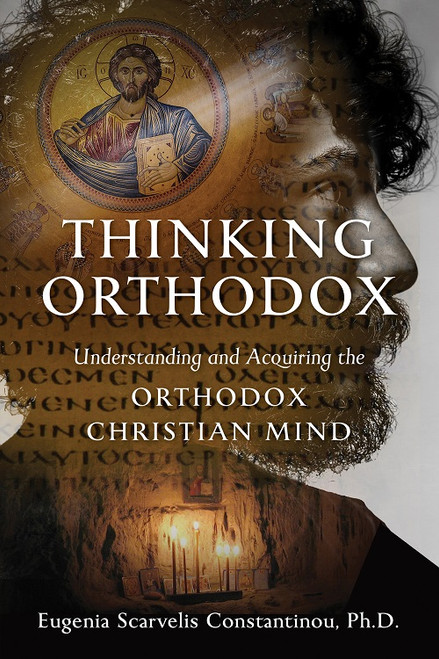
|
Thinking Orthodox: Unders... |
|
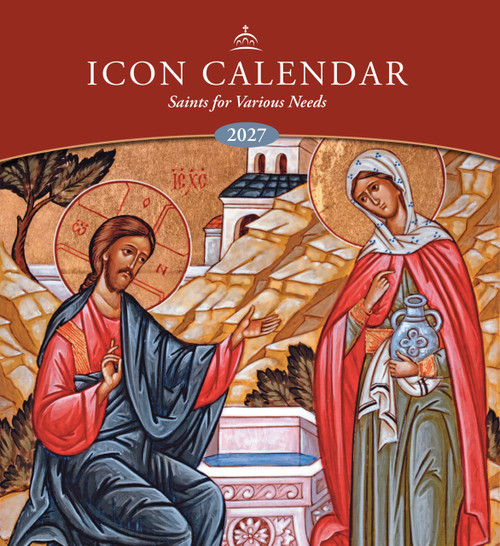
|
2027 Icon Calendar: Saint... |
|
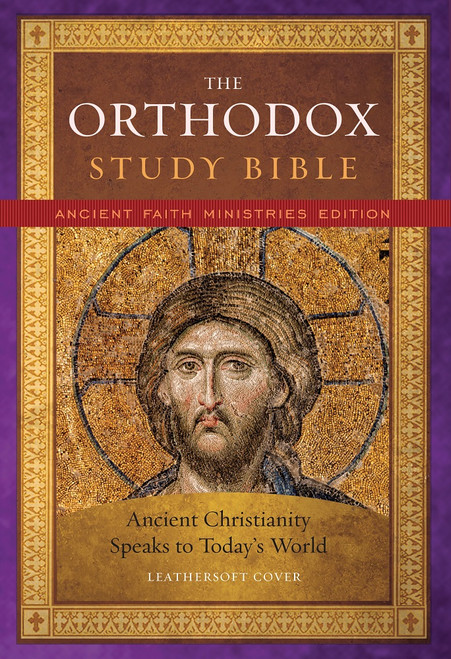
|
The Orthodox Study Bible,... |
|
Facebook
RaveCapture Commitment
RaveCapture transforms how businesses collect and showcase customer experiences. We take authenticity seriously and only allow 100% verified buyer reviews and UGC.
Guarantee
- RaveCapture Companies Are Held Accountable
- All Reviews Are Verified Customers
- Negative Reviews Can Never Be Deleted
With RaveCapture, you’re not just managing a reputation — you’re sharing the voice of your raving fans.
