
4.9
From 1
to 5
Reviews
7083
Recommend
10 / 10
TrustScore
9.9 / 10
Joshua Lourie
Great book!
Truly Human: Recovering Your Humanity in a Broken World
Enjoyed this a lot after my brother recommended it!
 Originally Posted on Amazon
Raziel H
Verified Buyer
The Orthodox Study Bible, Ancient Faith Edition, Leathersoft: Ancient Christianity Speaks to Today’s World
An excellent source of spiritual food and very aesthetically pleasing
Kevin Bullard
This book is 10 tons of KICKASS!
Know the Faith: A Handbook for Orthodox Christians and Inquirers
This guy writes like I read - and I love it! He is not some bearded mumbler but a guy who knows his stuff and gets it together! I teach Orthodox theology, and this is my new fave to teach from. HIGHLY recommended! Yeah, I bought it too...no freebies here, amigo!
Originally Posted on Amazon
CYNTHIA M
Verified Buyer
Goodnight Jesus (board book)
It was a gift so I don't yet know how the recipient felt about the book. I think it was just right for one of the child's first books about his faith.
Audrey
The Christian Old Testament: Looking at the Hebrew Scriptures through Christian Eyes
excellent condition
Originally Posted on Amazon
Ken T
Verified Buyer
For the Life of the World
I got about 25 pages into it and had to start over. I am still trying to get my mind around the eastern perspective, coming from 35 years of protestant/western theology. A must read for all.
Theodore S
Verified Buyer
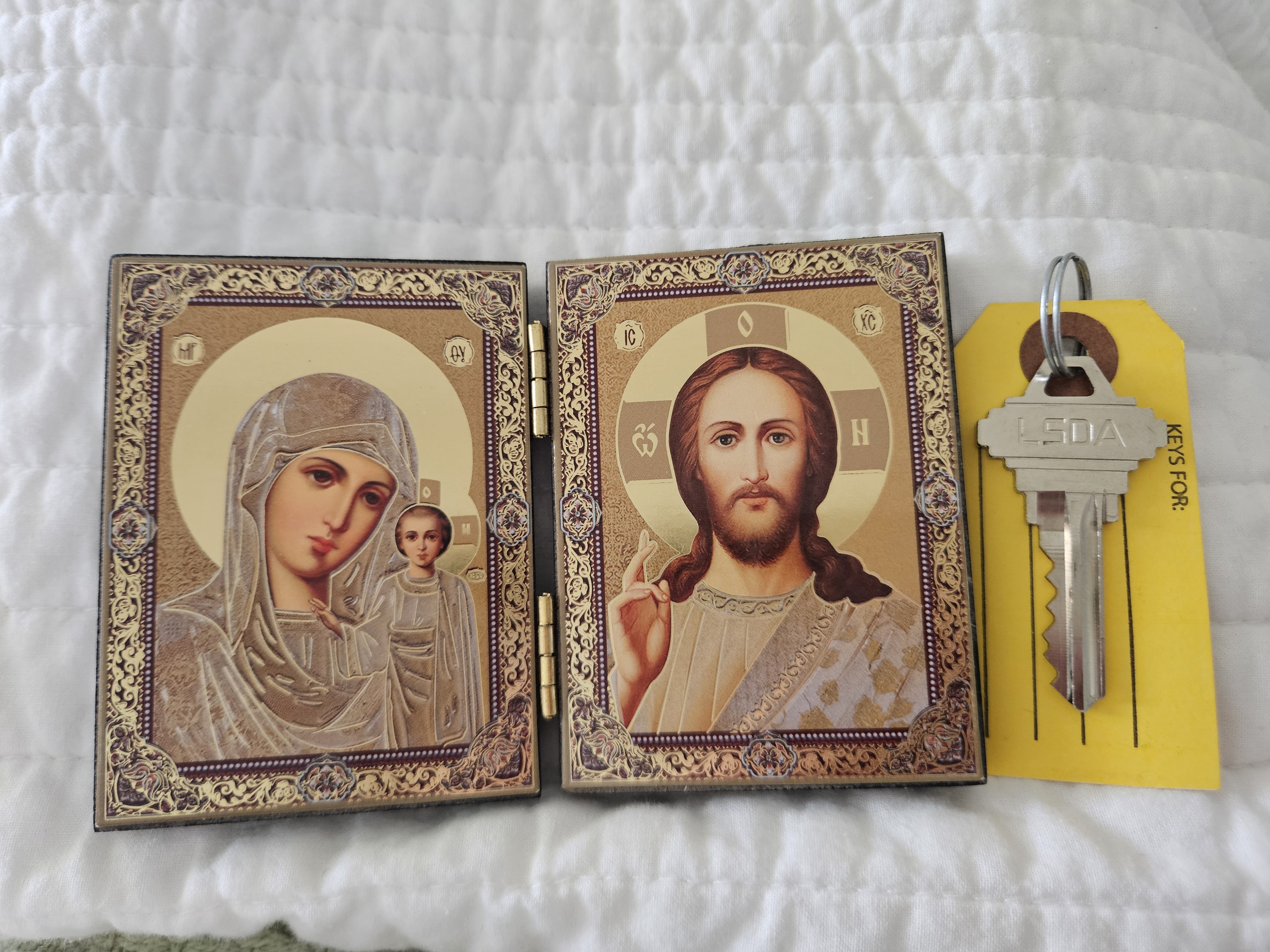
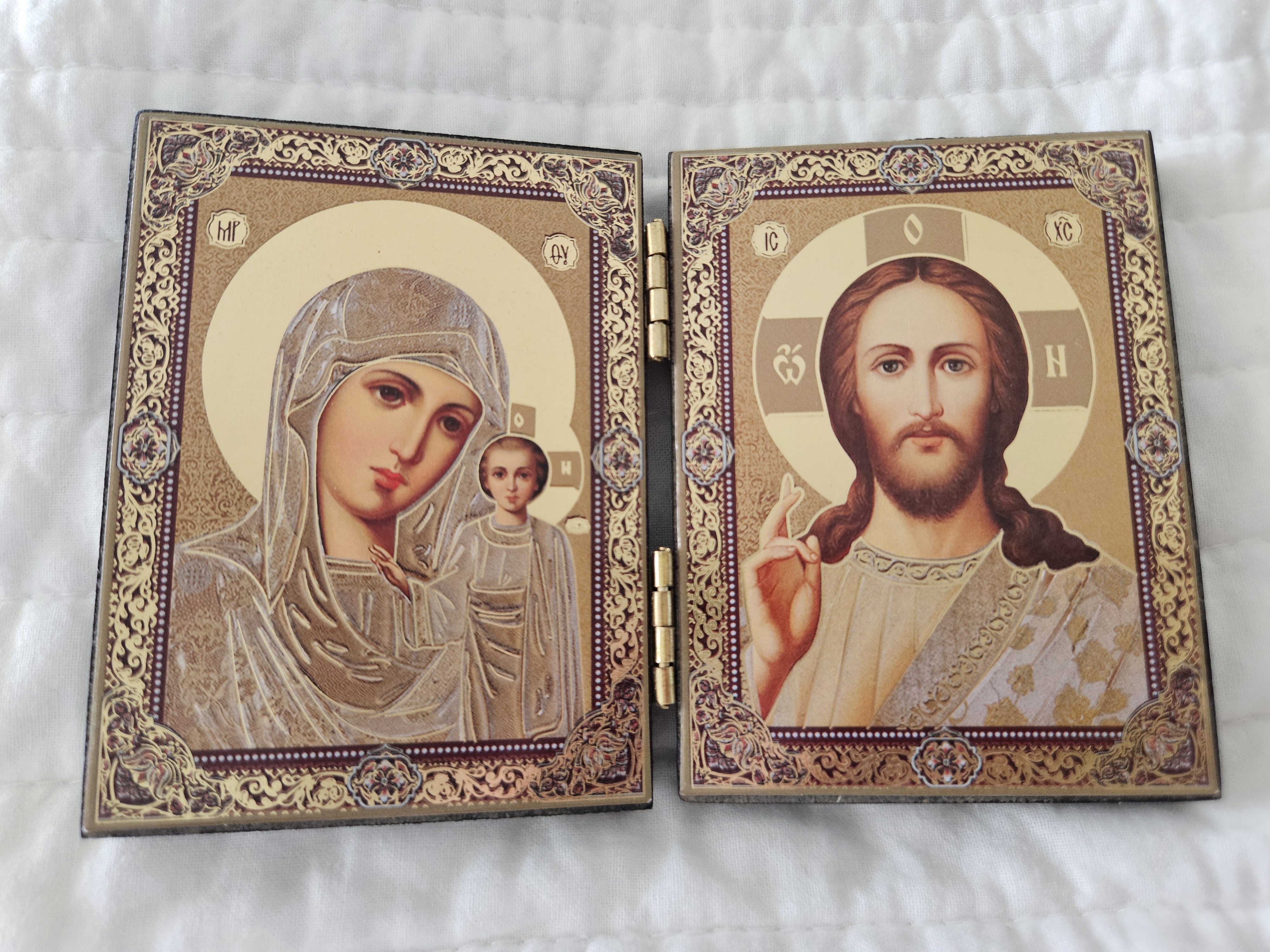
Diptych: Virgin of Vladimir and Christ the Teacher, dome-shaped, medium icons
About a year ago I was able to venerate the original Virgin of Vladimir icon in Moscow. This serves as a blessed reminder.
Michael F
Verified Buyer
Introducing the Orthodox Church: Its Faith and Life
I love the authors sense of humor, along with the seriousness of the content. What could be more serious than faith? I’m thoroughly enjoying this book and receiving tremendous insights. Grateful.
Ross B
Verified Buyer
Diptych: Virgin of Vladimir and Christ the Teacher, dome-shaped, medium icons
Beautiful and sturdy icons and a great value.
Kimberly Wansley
Everywhere Present: Christianity in a One-Storey Universe
I am so grateful for Fr. Stephen's writings. This book contains so much light. I wish I could get my family and friends to read it.
Originally Posted on Amazon
Leung K
Verified Buyer
Prayer Bracelet, with "Tears of the Mother of God" (from Serbia)
So glad to have the feeling that being with my Mother of God
Jacob C
Verified Buyer
The Orthodox Study Bible, Ancient Faith Edition, Hardcover: Ancient Christianity Speaks to Today’s World
I love it
Julia Erickson
The Scent of Holiness: Lessons from a Women's Monastery
Very touching. Very helpful. Simple and realistic visits to a monastery. It is hard to leave even though I have read this book many times.
Originally Posted on Amazon
Jacob P
Verified Buyer
War and the Bible
This is perhaps the most thorough exposition of Biblical teachings on war that has been written, and yet it is simple, engaging, and easy to read and follow.
Jason G
Verified Email
Words for Our Time: The Spiritual Words of Matthew the Poor
These are talks delivered to his monks and visitors - talks given to friends to encourage them on the path to the Kingdom. The focus is on personal faith and a deep reading of the scripture- but a reading open to all of us who can take the time to do it. He speaks with a compelling and authoratative voice that is also intimate and direct.
Not that he is not obviously highly educated and informed. He fills in his talks with explanations of passages calling upon a variety of languages as well as history and archeology to tease out the meanings of the Scripture he is discussing.
What I liked best in this collection is Fr Matta's (Matthew the Poor) habit of filling in some of the back story around the familiar stories from the scriptures. The Canaanite Woman, for instance, and her doggedness in pursuing Christ- what did she say to the Apostles when they feigned not knowing where Jesus was, when she knew full well they knew? This approach helps bring the very familiar stories back into sharp relief, brining them back to life the stories that may have grown flat with a lifetime of repeated hearing. He doesn't teach from these sometimes meandering "extra dialogues," but it does help refocus our attention on the fact that these are stories about real people and re-personalizes them.
Speaking of the Canaanite Woman- the explanation he gives to the "toss it to the dogs" comment is worth the cost of the book alone. I had always been troubled by that passage, and he assuaged my doubts. Very informative!
The recording is professionally done and easy to listen to and focus on.
Pedro S
Verified Email
If You Love Me: Serving Christ and the Church in Spirit and Truth
Abba Matta, known in the US (and the rest of the Anglosphere) as Matthew the Poor, is probably the greatest monastic elder to come out of the Egyptian monastic tradition in a millennium. Under his leadership, the Coptic monastery of St Macarius the Great went from the verge of extinction to again becoming a flourishing center of Egyptian monasticism—from 6 elderly monks to 130 men devoted to the monastic vocation, with monks who went on to renew the life of other similarly fading monasteries or to found new monastic centers. If You Love Me: Serving Christ and the Church in Spirit and Truth is a great demonstration of how that happened. Abba Matta has a charism for the formation of Christian servants, since the foundation of Christian life is service for the sake of Christ. He does not limit the idea of a servant (diakonos) to an ordained office or a professional role (though he does touch on ordained ministry), but to one who “builds souls.” This kind of service is, I think, a requirement of all Christians. We may not all operate in any official capacity, but we build up souls in our children, our brethren, fellow parishioners, and even among the people we serve in our “private” or “professional” lives. We are supposed to make disciples of all nations and to be known, after all, by our love.
This relatively short but very dense book of essays on Christian service is divided into two parts, “The Nature of Christian Service” and “On the Education of the Christian Servant.” In the first part, Abba Matta helps the reader understand how someone might discern a call to service and what the sort of “shape” of Christian service looks like.” In each section of each chapter of this section, he lays out qualities, qualifications, struggles, failures, challenges, temptations, and considerations that Christian servants face. In the second part, Abba Matta’s focus is on what we might best call formation. There’s no easy way to capture the essence of this entire work in a review, but I’ll try to give some meaty highlights.
Abba Matta begins with the most foundational aspect of Christian service, writing “Love is the ultimate criterion of Christ’s service. Any criterion used to measure our service other than love is a merely human measurement.”
Echoing St Seraphim of Sarov’s exhortation to “Acquire the spirit of peace and thousands around you may be saved,” Abba Matta tells us that “a successful servant does not receive these gifts [necessary to feed the souls of those served with love, faith and hope] for the sake of serving others, but rather for his own salvation… the servant who feeds on God’s gifts only for the sake of returning them to others usually remains empty and toils in vain.” Here, he emphasizes the necessity of purification, prayer, ascetic labors, and other aspects of Christian praxis—his delivery of this made me feel called to account for my spiritual sloth but also hopeful for the ability to struggle with such labors by the grace of God.
Later, he writes, “Though the salvation of a human soul is not the work of man, it nevertheless is achieved through man. Therefore, despite the fact that the servant should never make the error of seeing himself as a savior, he must know that he is still a means or instrument of salvation.”
Despite this lofty role for the servant, Abba Matta avoids puffing up the servant by expressing that the servant’s work is really struggling for his own purification through self-abandonment and humility, that we might aid in the salvation of others by giving ourselves up and dying to ourselves for Christ’s sake. He makes it clear that this is a particular struggle for the servant, and when he says that it is better to fall under the yoke rather than to give up the yoke, we know then that our falling under the burden of servanthood is a real possibility. He’s also direct about the attacks that Christian servants will face: “The devil’s ultimate goal is to destroy the servant’s strength by endlessly torturing his soul so that he finally flees the battleground of service and escapes the critics, slanderers, and devils that threaten him.” Wow. That sounds intense, right? It is, and Abba Matta shows us how this isn’t different from what the apostles and early church servants faced.
How does someone get to this point where one can struggle for purification in the context of servanthood, aiding in the building up of souls and hopefully being a tool to the salvation of others? This is precisely what Abba Matta spends the last third of the book explicating. A servant “cannot be commended simply for having many books or for acquiring much knowledge; rather, he is commended by the Spirit of Christ who is charged and inflamed within him every day by the prayers and sacraments of the Church and by the voice of Christ in the Gospel.” What does this mean in practical terms? The servant must be one who has abandoned himself in favor of “a new life of regeneration, simplicity, love, and humility” which has as ”both its starting point and final destination in the Church” (which Abba Matta rightly calls the “the union that binds us to Christ and to other Christians”). The servant formed not by theological treatises but by a life of prayerful participation in the liturgy and sacraments of the Church, thereby receiving the spirit of the Church. The liturgy, Abba Matta tells us, opens the door to repentance, compunction, “and an openness to living in love and reconciliation.”
Abba Matta tells us that the chief obstacle impeding Christian service is “the feeble state of most servants’ spiritual lives… [because of] their enfeebled psychological state.” He then lists the causes of such an enfeebled psychological state in some detail (a follower mentality, partisanship, and the poor habits cultivated by a bad upbringing) and describes the way these shortcomings can be overcome. The first is “to offer love in the form of sacrifice and to love God.” To do this, Abba Matta says, we must imitate Christ and strive for union with Him; he outlines some specifics of how we are to follow Christ in our temperament, actions, will, and our work.
After explaining “the making of a servant” and the psychological health of a servant, Abba Matta spends the single longest portion of this book enumerating “The Spiritual Education of the Servant” in incredibly concrete terms. I’d do more damage than justice to try to summarize this portion of the text in any meaningful way, but Abba Matta tells us that the servant’s “credentials for serving the younger generation” is the inheritance of Orthodox Christian spirituality, which consists of:
• “Ascetical life: prayer, fasting, and faithful, consistent participation in sacramental worship
• Doctrinal training: informing the believer of the tenets of the faith and implanting belief so securely in the heart that it cannot be shaken by doubt or trouble
• Christian conduct: what should or should not be said and done, so that the conscience is groomed and trained in the fundamental values of the Orthodox Church
• The life in Christ: nurturing essential love that brings a servant closer to God and increases his zeal, light, and discernment.”
Abba Matta’s explanation of these four aspects of Christian life in the final chapter, especially in the context of servanthood, would be worth the cost of the book alone. That being said, the entire book is one of the best resources for understanding how the Christian life ought to be lived. Anybody who struggles with the question “What does God want from me?” should read this text, especially in the context of discerning any sort of ministerial vocation (lay or ordained, official or unofficial). If you’re wondering if you should pursue a path of ministry in the Church, read or listen to this book as well as St John Chrysostom’s writings on the priesthood. Abba Matta’s writing is a great treasure from the Coptic tradition. He serves as a great model for all Orthodox Christians (and, I dare say, as one vital locus for understanding points of convergence for any unity that might someday arise between the Byzantine and Coptic traditions), and I look forward to reading or listening to more of his works.
Footnote: I listened to If You Love Me twice on Audible before writing this review, and I ended up purchasing the eBook to avoid butchering quotations. After writing the bulk of the review, I ended up purchasing physical copies to loan out / gift to some young adults who are wrestling with discerning what Christian service should look like in their lives (and who, I thought, would benefit from the wisdom of Abba Matta). Ancient Faith Media provided me with a complementary download of the audiobook in exchange for an honest review, but I purchased the Kindle edition and print version outright with no discount.
White Rounds
The Ancient Faith Prayer Book
Of the 3 Orthodox prayer books I have I like this one the most! It is written in modern English, and is easier to remember.
Originally Posted on Amazon
White Rounds
Easy reading modern English
The Ancient Faith Prayer Book, burgundy cover
Of the 3 Orthodox prayer books I have I like this one the most! It is written in modern English, and is easier to remember.
Originally Posted on Amazon
Annie Dennee
Raising Them Right: A Saint’s Advice on Raising Children
Great support and wisdom for raising children in Christ.
Originally Posted on Amazon
Despina
Verified Email
Parenting Toward the Kingdom: Orthodox Christian Principles of Child-Rearing
This is an amazing book and has changed my life. The author has written it very well and gives many examples of everyday issues in the home and explains how to deal with them! I have recommended this book to many parents. It has changed the way we view parenting and has improved our relationships with our children.
About Ancient Faith Store
At Ancient Faith Store, we are dedicated to providing a rich collection of resources that celebrate and preserve the Orthodox Christian faith. Our mission is to help individuals and families grow in their spiritual journey through a wide array of products, including books, music, icons, and gifts that reflect the beauty and depth of Orthodox Christianity.
We believe that faith is a journey, and we strive to accompany you every step of the way with materials that inspire, educate, and uplift. Whether you're looking for a profound theological work, a children’s book that teaches the values of our faith, or a beautifully crafted icon to adorn your home, you'll find it here.
Our commitment to quality and authenticity means that every item is carefully selected to ensure it aligns with the teachings of the Church. We are passionate about fostering a vibrant Orthodox community, and we invite you to explore our store to find the tools that will enrich your spiritual life and connect you more deeply to the traditions of our faith. Thank you for being a part of our journey.
Visit Website
We believe that faith is a journey, and we strive to accompany you every step of the way with materials that inspire, educate, and uplift. Whether you're looking for a profound theological work, a children’s book that teaches the values of our faith, or a beautifully crafted icon to adorn your home, you'll find it here.
Our commitment to quality and authenticity means that every item is carefully selected to ensure it aligns with the teachings of the Church. We are passionate about fostering a vibrant Orthodox community, and we invite you to explore our store to find the tools that will enrich your spiritual life and connect you more deeply to the traditions of our faith. Thank you for being a part of our journey.
Ancient Faith Store is a Verified Merchant
Questions? Contact Us
support@ancientfaith.com
800-967-7377
Mon-Fri (9am-5pm CST)
Top Rated Products
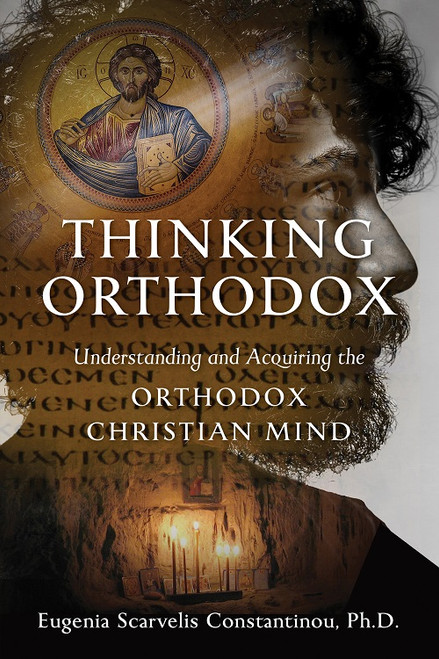
|
Thinking Orthodox: Unders... |
|
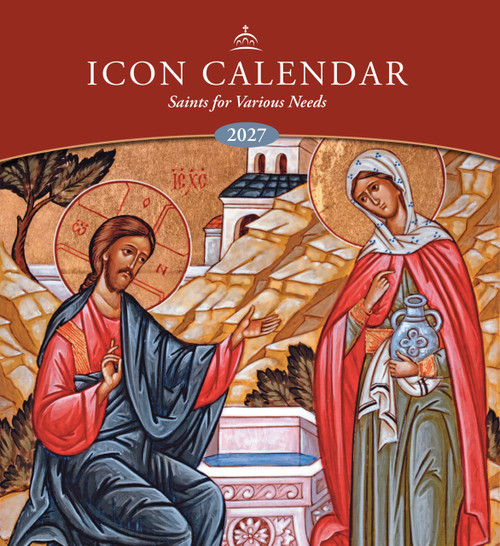
|
2027 Icon Calendar: Saint... |
|
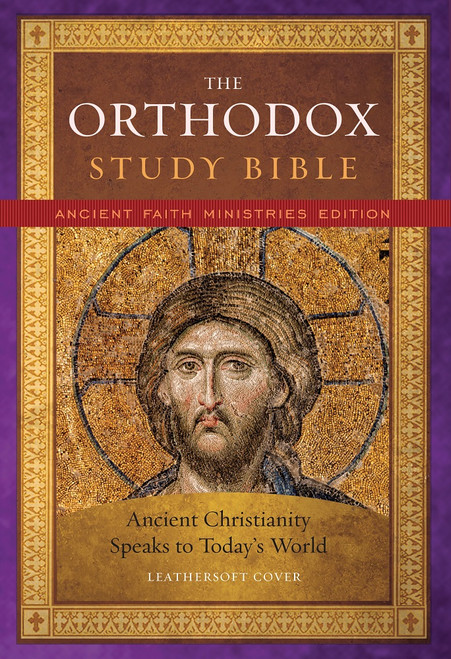
|
The Orthodox Study Bible,... |
|
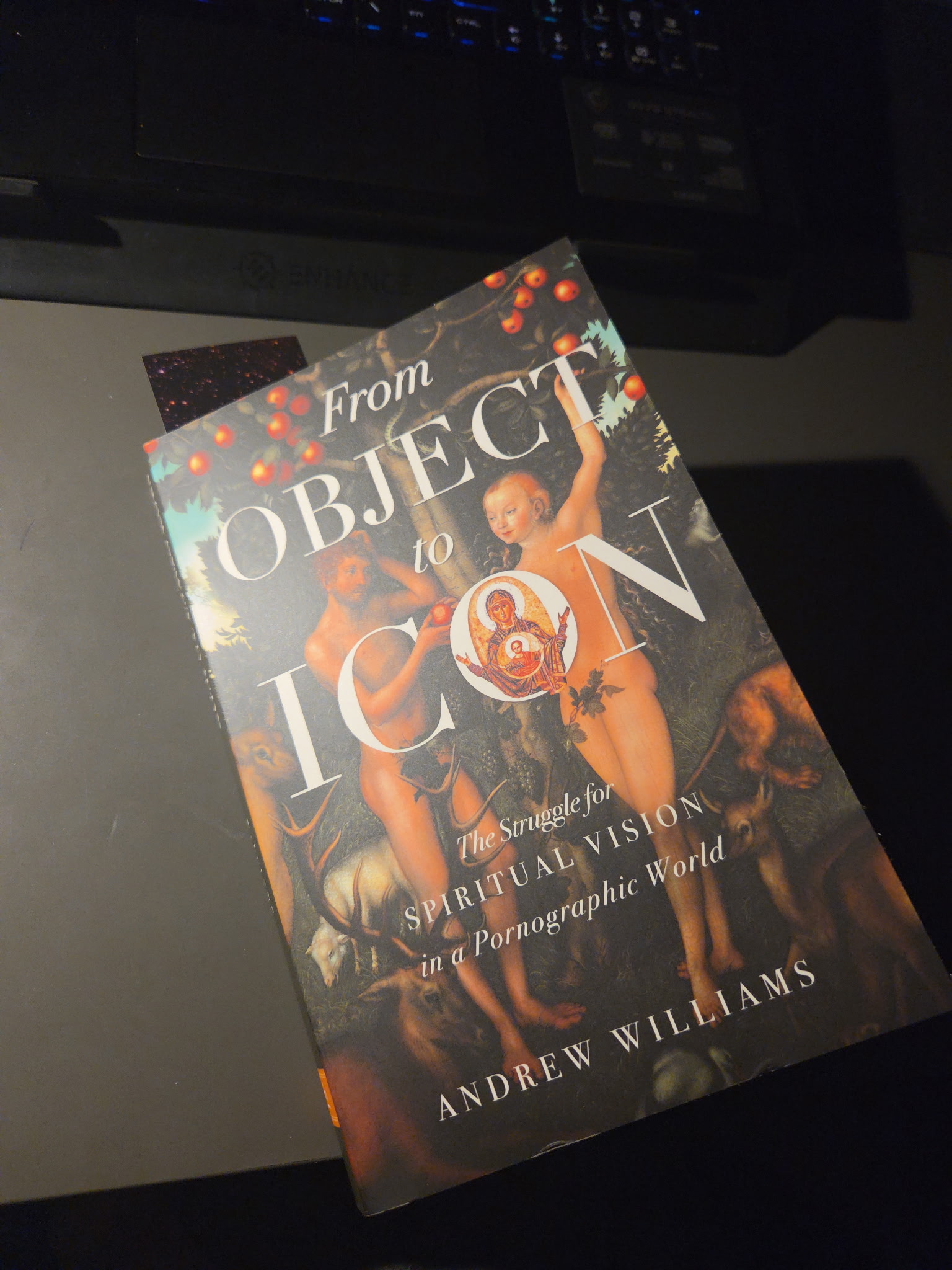
Facebook
RaveCapture Commitment
RaveCapture transforms how businesses collect and showcase customer experiences. We take authenticity seriously and only allow 100% verified buyer reviews and UGC.
Guarantee
- RaveCapture Companies Are Held Accountable
- All Reviews Are Verified Customers
- Negative Reviews Can Never Be Deleted
With RaveCapture, you’re not just managing a reputation — you’re sharing the voice of your raving fans.
